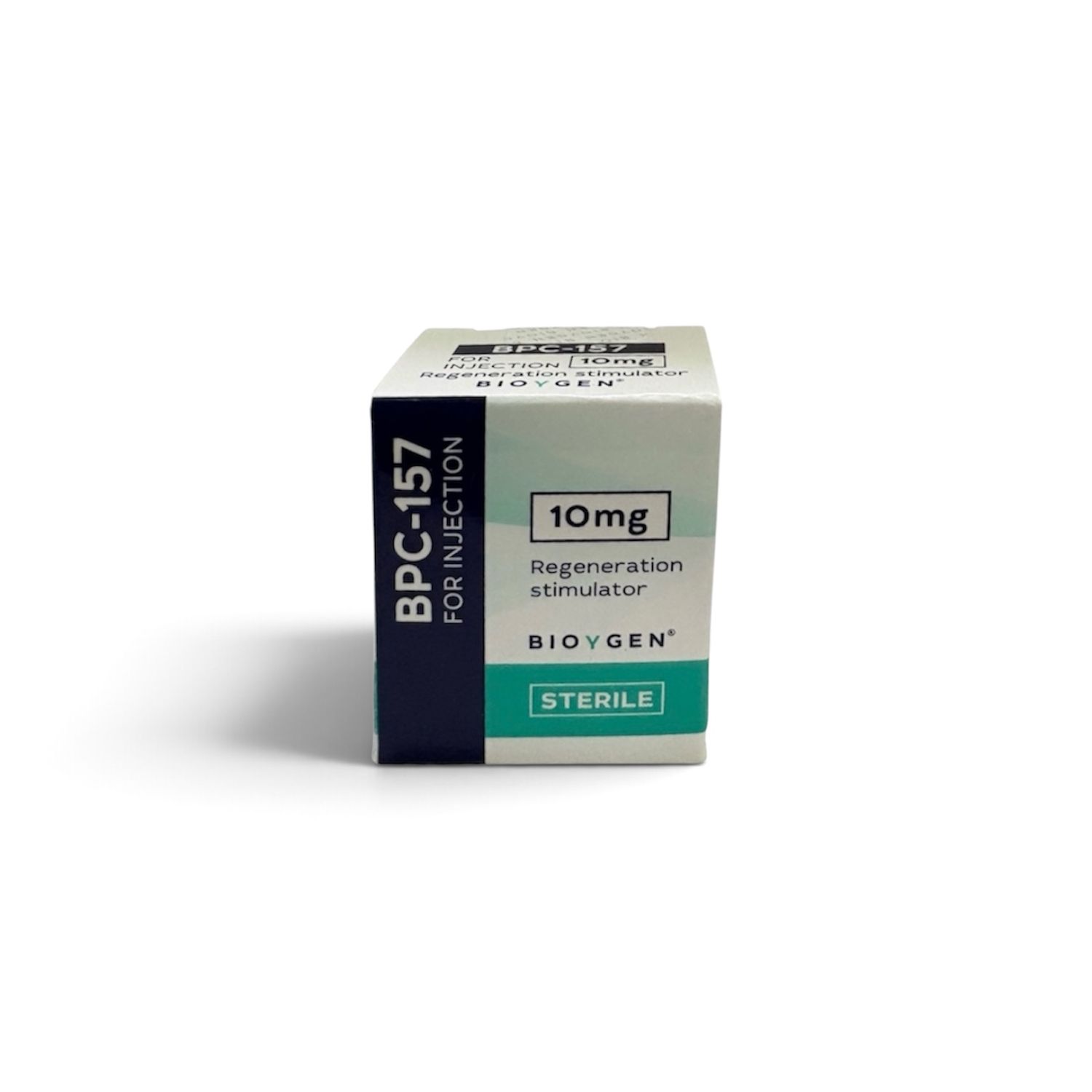
BPC-157 (Regeneration Stimulator Peptide) 10 mg
60,00 €
Tissue regeneration
In stock
Customer reviews
Reviews only from verified customers
No reviews yet. You can buy this product and be the first to leave a review.
BPC-157 (Regeneration Stimulator Peptide) 10 mg
Product Details
BPC-157 BioYgen 10 mg - Regeneration Stimulator Peptide
Product: BPC-157 lyophilized peptide 10 mg per vial
Amino acid sequence: Gly-Glu-Pro-Pro-Pro-Gly-Lys-Pro-Ala-Asp-Asp-Ala-Gly-Leu-Val
Molecular formula: C62H98N15O22
Molecular weight: 1419.556 g/mol
CAS: 307297-39-8
Manufacturer: BioYgen, Hong Kong
Importer: LLC OFS-export (Belarus)
What is BPC-157?
BPC-157 (Body Protection Compound) is a synthetic peptide consisting of 15 amino acids, widely known in the research and user community for its regenerative profile. In research literature it is associated with tissue repair, wound healing support and recovery after physical stress. This is a cosmetic peptide product for injection - not a medicine.
Preparation and use
Standard dilution: add 2-4 ml of bacteriostatic water to the vial, leave in the refrigerator for 10-15 minutes; rotate gently until fully dissolved. Example: with 2 ml dilution, 1 ml of solution contains 5,000 mcg; a 225 mcg dose equals 0.045 ml, or 4.5 units on a U100 insulin syringe.
Storage and warnings
- store refrigerated at +2 to +8 C;
- not for use by persons under 18, pregnant or breastfeeding women;
- observe sterile technique during reconstitution and administration.
Product does not contain GMOs. EAC certified (declaration EAEU N RU D-NK.RAA03.B.88511/24).
Where BPC-157 is used
In research literature and user protocols, BPC-157 is associated with:
- Joints, tendons and ligaments - regenerative effects on connective tissue rather than simply masking discomfort;
- Stomach and digestive tract - the "gut protection" part of its name reflects studied protection of the gastric lining;
- Recovery after intense physical activity and injury rehabilitation protocols;
- General tissue regeneration - the direction that gave the peptide its name (Body Protection Compound).
FAQ
What is BPC-157 known for?
In research literature and user communities it is associated with tissue repair, wound healing support and recovery after physical load. It is a cosmetic research peptide, not an approved medicine.
How do I reconstitute it?
Add 2-4 ml of bacteriostatic water to the vial, let it sit in the fridge for 10-15 minutes, gently rotate until clear.
How is the dose calculated?
10 mg = 10,000 mcg. With 2 ml dilution, 1 ml contains 5,000 mcg. Example: 225 mcg = 0.045 ml = 4.5 units on a U100 syringe.
Who should not use it?
Persons under 18, pregnant and breastfeeding women.
How should it be stored?
Refrigerated at +2 to +8 C, both as powder and after reconstitution.
How long is a typical course?
Commonly 4-12 weeks per course - enough for full or partial recovery support, depending on the goal.
Does it act on joints and the stomach, or just relieve pain?
BPC-157 is studied as a regenerative agent: research literature associates it with tissue restoration in joints, ligaments, cartilage and the gastric lining - not just symptom relief.
Can it be combined with other peptides?
Yes - BPC-157 does not counteract other peptides; some combinations are reported to act synergistically.
Is it safe?
Published studies describe good tolerability with no serious adverse effects attributed to the peptide. Sterile technique during reconstitution and injection remains essential.
Ask a question or inquire about delivery to your country
You May Also Like
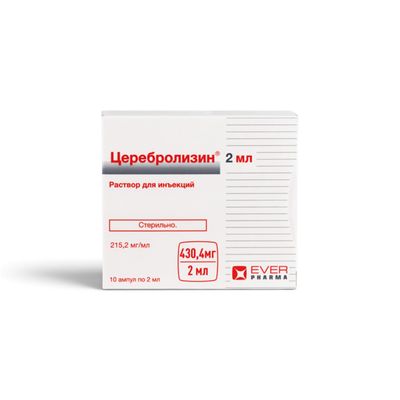
Cerebrolysin (Cerebral peptide) 215.2 mg/ml
Cerebrolysin (Cerebral peptide) 215.2 mg/ml
Peptide neuroprotector
66,00 €
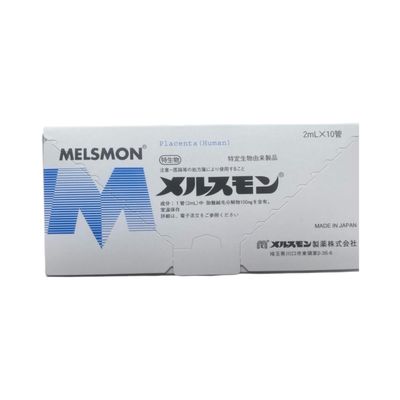
Melsmon 2 ml – 10 Ampoules / 50 Ampoules
Melsmon 2 ml – 10 Ampoules / 50 Ampoules
Placenta extract
160,00 €
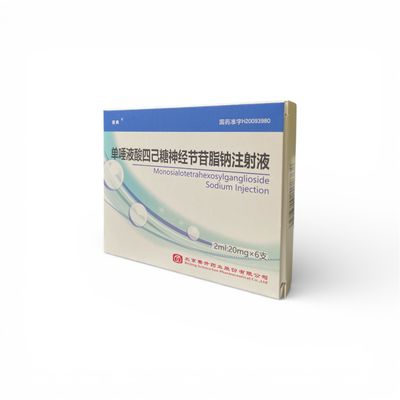
Ganglioside Sodium Injection 20 mg, 6 ampoules/2ml
Ganglioside Sodium Injection 20 mg, 6 ampoules/2ml
Treatment of Central Nervous System lesions
195,00 €
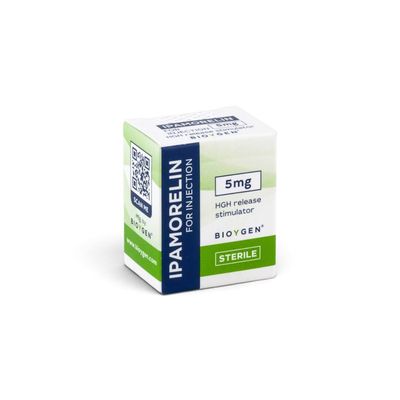
Ipamorelin 5 mg (HGH Release Stimulator Peptide)
Ipamorelin 5 mg (HGH Release Stimulator Peptide)
HGH Release Stimulator Peptide
57,00 €
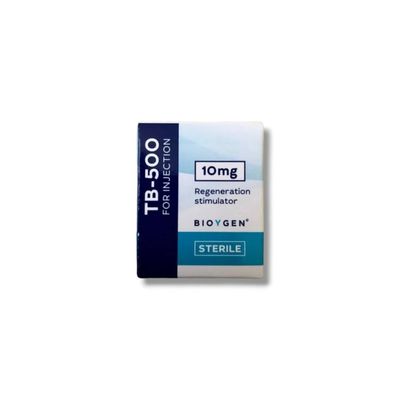
TB-500 10 mg (Regeneration Stimulator Peptide)
TB-500 10 mg (Regeneration Stimulator Peptide)
Tissue regeneration
82,00 €
Display prices in:EUR

