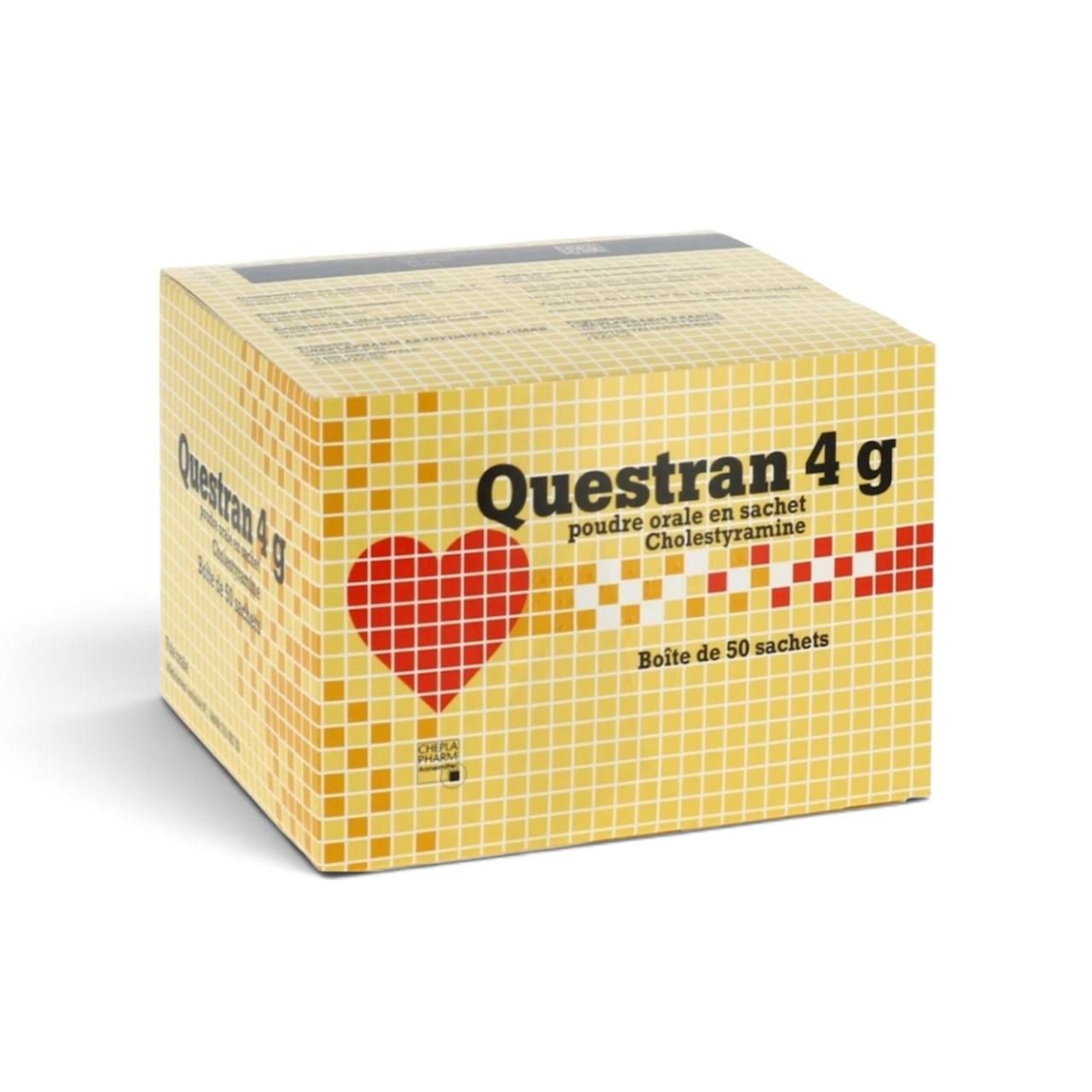
Questran 4 g (Cholestyramine) 50 Sachets
80,00 €
Bile acid sequestrant
In stock
Save this product for later
Customer reviews
Reviews only from verified customers
No reviews yet. You can buy this product and be the first to leave a review.
Questran 4 g (Cholestyramine) 50 Sachets
Product Details
Questran 4 g (Cholestyramine) 50 Oral Powder Sachets — Cheplapharm
Questran is the classic bile acid sequestrant: cholestyramine resin that binds bile acids in the intestine and removes them from the body. The liver then pulls LDL cholesterol from the blood to make new bile acids — cholesterol drops through a mechanism completely different from statins. In use since the 1970s, this is one of the most time-proven cholesterol medicines in medicine history, now the European original from Cheplapharm.
Why it is still chosen despite newer options
- Works without statin intolerance — the first-line alternative when statins cause muscle symptoms;
- Pregnancy-safe profile — not absorbed into the bloodstream at all, making it the preferred cholesterol option in pregnancy (per physician);
- Not just cholesterol — relieves itching in cholestasis (bile buildup in liver disease) when everything else fails;
- Additive to statins — combined therapy lowers LDL further than either alone;
- Six decades of safety data — the molecule whose outcomes benefits launched modern lipidology (LRCPPT trial).
What it is used for
- Primary hypercholesterolemia (elevated LDL) — alone or combined with statins;
- Pruritus (itching) associated with partial biliary obstruction and cholestasis;
- Off-label per physician: chronic diarrhea after gallbladder removal (bile acid malabsorption);
- Always per physician prescription with lipid panel monitoring.
Composition and form
- Active ingredient: cholestyramine 4 g per sachet (as resin);
- Form: oral powder in sachets — 50 sachets per box;
- Manufacturer: Cheplapharm (France).
How it is used
- Content of 1 sachet mixed into water, juice, soup or pulpy fruit — never taken dry (choking/clumping risk);
- Standard start: 1 sachet once or twice daily with meals, titrated up per physician (usual maintenance 2–4 sachets/day);
- Separate from other medicines: take other drugs 1 hour before or 4–6 hours after Questran — the resin binds them too;
- Gradual titration reduces constipation and bloating;
- Course duration and dose adjustments per physician with periodic lipid panel checks.
Safety information
- Main tolerability issues: constipation, bloating, gas — usually transient and dose-related;
- Can raise triglycerides — not the choice when triglycerides are already high (physician decides);
- Reduces absorption of fat-soluble vitamins (A, D, E, K) with long-term use — supplementation may be discussed;
- Separation timing from other medicines is mandatory (see above) — especially thyroid hormones, digoxin, warfarin, diuretics;
- Pregnancy: preferred option when lipid-lowering is required (not absorbed systemically) — still physician-managed;
- Do not take dry — always mix with liquid.
FAQ — Frequently Asked Questions
How is cholestyramine different from statins?
Completely different mechanism: statins block cholesterol production in the liver; Questran binds bile acids in the gut, forcing the liver to use blood cholesterol to make new ones. This makes it the go-to option when statins are not tolerated (muscle aches) or need reinforcement. The two are often combined because the mechanisms multiply rather than duplicate. It never gets absorbed into the blood — everything happens inside the intestine.
Can I take it during pregnancy?
Questran is the preferred lipid-lowering choice in pregnancy because the resin stays in the gut and does not cross into the bloodstream — unlike statins, which are contraindicated. Still: lipid management in pregnancy is a physician decision, often deferred unless levels are severely elevated or there is a specific indication like intrahepatic cholestasis of pregnancy with severe itching — where cholestyramine has decades of use.
Why must I separate it from other medicines?
The resin binds other drugs the same way it binds bile acids — if they are in the gut together, your other medicine gets carried out instead of absorbed. The rule: other medicines 1 hour before, or 4–6 hours after Questran. This is the single most important practical rule of this therapy — critical for thyroid hormones, digoxin, warfarin, diuretics and many others.
What if it causes constipation?
Start lower and titrate slowly — most tolerance issues are dose-related. Increase fluid intake, add fiber, and the symptoms usually settle within 1–2 weeks. Persistent severe constipation is a reason to revisit the dose with your physician. The sachet format helps here: you titrate in single-sachet steps instead of committing to a large daily amount from day one.
What is this about itching relief?
In cholestasis (bile acids building up in the blood when bile flow is blocked — liver disease, biliary obstruction, and even some pregnancy liver conditions), bile acids deposit in the skin and cause relentless itching. Questran binds those bile acids in the gut and removes them — often the only thing that gives relief. This use is physician-supervised with liver function monitoring.
Ask a question or inquire about delivery to your country
You May Also Like
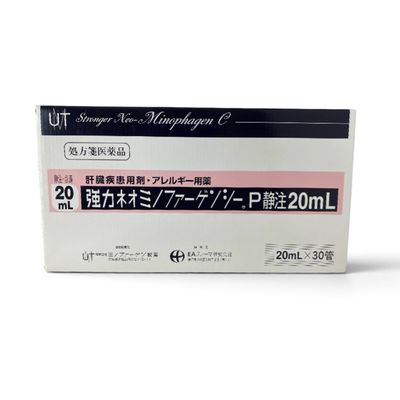
STRONGER NEO-MINOPHAGEN C 20 ml. 30 amp.
STRONGER NEO-MINOPHAGEN C 20 ml. 30 amp.
The drug relieves inflammation of the liver
82,00 €
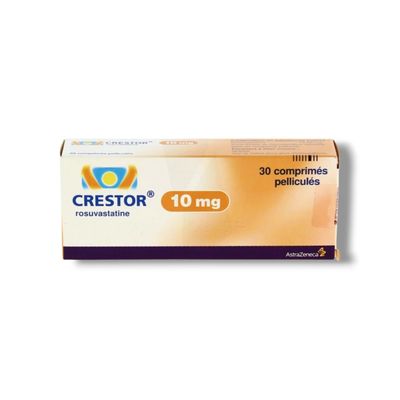
CRESTOR (Rosuvastatin) 10 mg/20 mg
CRESTOR (Rosuvastatin) 10 mg/20 mg
Lowering cholesterol levels
66,00 €
Display prices in:EUR

