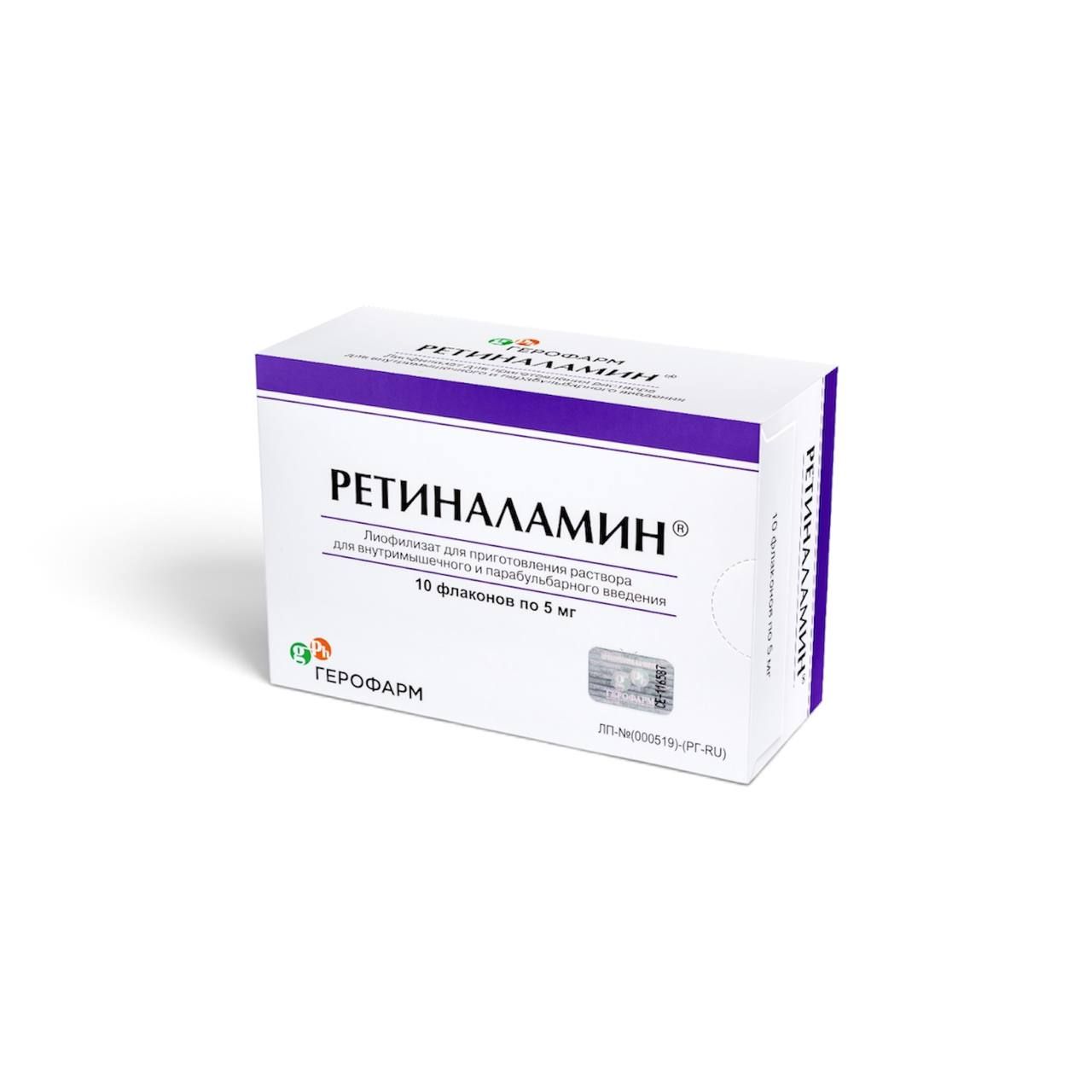
Retinalamin 5 mg, 10 vials (Geropharm)
107,00 €
Peptide bioregulator
In stock
Customer reviews
Reviews only from verified customers
No reviews yet. You can buy this product and be the first to leave a review.
Retinalamin 5 mg, 10 vials (Geropharm)
Product Details
Retinalamin 5 mg — 10 Vials, Geropharm
Retinalamin by Geropharm is a retina-specific peptide bioregulator: a complex of low-molecular-weight peptides selected to support the metabolism of retinal cells. It is the targeted ophthalmology product in the line of tissue-specific peptide preparations (together with Cortexin for the brain).
Composition
- Retinalamin (retina peptides complex) - 5 mg per vial, lyophilized powder
- Pack: 10 vials with solvent included
- Administration routes: intramuscular or parabulbar (near the eye), per physician decision
How it works
Retinal peptides act as tissue-specific signals: they support protein synthesis and metabolic activity in retinal pigment epithelium and photoreceptor cells. The principle is the same as Cortexin for cerebral tissue - restoring the "working program" of a specific cell type under degenerative or ischemic stress.
Where Retinalamin is used
- Retinal dystrophies (including age-related macular degeneration protocols)
- Diabetic retinopathy - metabolic support of retinal tissue
- Myopia-related retinal changes (progressive myopia in children and adults)
- Retinal recovery after laser and surgical interventions
- Central and peripheral chorioretinal dystrophies
Administration
- The powder is dissolved with the included solvent before use
- Intramuscular: standard adult course is 10 mg (2 vials) daily for 10 days
- Parabulbar: near-eye administration in ophthalmology settings, by ophthalmologist
- Course and route are set by the physician; repeat courses per specialist plan
Product features
- Original Geropharm product (Russia) - manufacturer of Cortexin
- One of the few retina-specific peptide preparations available
- Used in both adult and pediatric ophthalmology
Contraindications
Hypersensitivity to components. Pregnancy and breastfeeding - only under medical supervision. Parabulbar administration is performed only by an ophthalmologist.
FAQ
Retinalamin vs Cortexin - both are Geropharm peptides?
Yes - same manufacturer and same tissue-specific peptide principle, but different targets: Cortexin is standardized to cerebral cortex peptides, Retinalamin to retina peptides. For combined neuro-ophthalmic protocols physicians sometimes use both; each is chosen for its target tissue.
Intramuscular or parabulbar - which is better?
Parabulbar delivers the peptides closer to the target tissue; intramuscular is simpler and more comfortable. Both are validated routes - the choice depends on the ophthalmologist's protocol.
How long is a course?
The standard IM course is 10 days (one vial daily where 5 mg dosing is prescribed, or 2 vials per the 10 mg protocol - per physician). Retinal courses are typically repeated 1-2 times per year.
Can children use it?
Yes - one of its documented applications is progressive myopia-related retinal changes in pediatric ophthalmology, under specialist supervision.
Does it replace eye drops or injections into the eye?
No - it is a systemic (IM) or near-eye (parabulbar) metabolic support, complementary to local ophthalmic therapy. It does not substitute anti-VEGF intravitreal injections and similar treatments.
Ask a question or inquire about delivery to your country
You May Also Like
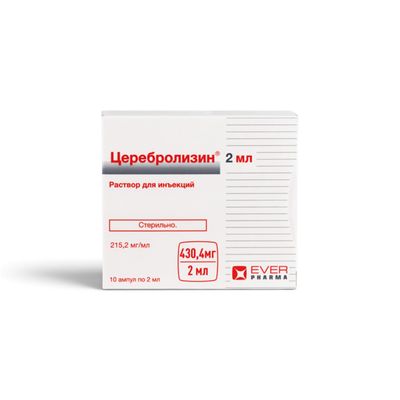
Cerebrolysin (Cerebral peptide) 215.2 mg/ml
Cerebrolysin (Cerebral peptide) 215.2 mg/ml
Peptide neuroprotector
66,00 €
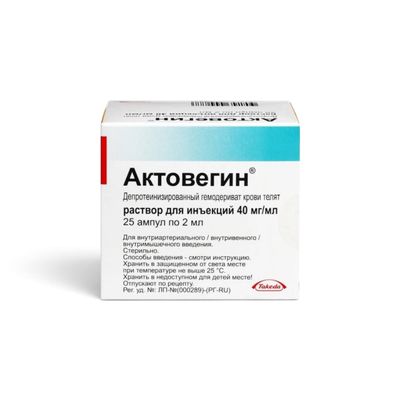
Actovegin Injectable Solution 40 mg/ml (Takeda)
Actovegin Injectable Solution 40 mg/ml (Takeda)
Deproteinized hemoderivate of calf blood
83,00 €
Display prices in:EUR

