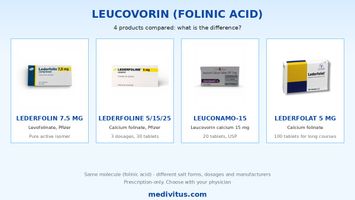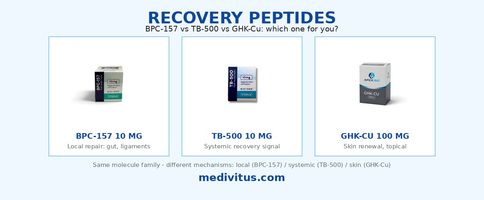
BPC-157 vs TB-500 vs GHK-Cu: recovery peptides compared
Three peptides, three mechanisms. What research says about the most discussed recovery peptides of 2026 - and how to choose between them.
Why every cell needs glutathione, how levels decline with age, IV vs oral forms - and the honest answer on skin lightening claims.
Glutathione
TL;DR
Glutathione is the body's master antioxidant - a molecule every cell produces to neutralize free radicals, detoxify and support the immune system. In 2026 it ranks among the most searched wellness molecules (about 165,000 US searches monthly). Its antioxidant and detoxifying roles are well documented; its trendy uses (skin lightening, anti-aging "cures") are not supported by clinical evidence. At Medivitus Pharma you can buy original glutathione preparations for injection from certified manufacturers.
What glutathione actually is
Glutathione is a tripeptide - three amino acids (glutamine, cysteine, glycine) joined together. It is produced in every cell of the body and exists in two forms: reduced (GSH - the active antioxidant) and oxidized (GSSG). The ratio between them is a standard marker of cellular oxidative stress.
Its documented biological roles:
Neutralizing free radicals
- the primary water-soluble antioxidant of the cell;
Detoxification
- binding heavy metals and toxins in the liver (phase II conjugation);
Immune support
- lymphocytes require adequate glutathione levels to function;
Recycling other antioxidants
- vitamins C and E are regenerated by glutathione;
Protection of mitochondria
- the energy factories of the cell.
Why glutathione levels decline
The body produces less glutathione under stress of any kind: chronic illness, inflammation, alcohol, smoking, poor diet, aging itself. By age 45-50 natural production drops noticeably - one reason glutathione became a centerpiece of longevity discussions.
Support options discussed in the literature: precursors (N-acetylcysteine, glycine), sulfur-rich foods (garlic, onion, cruciferous vegetables), and direct supplementation.
Forms of supplementation: IV vs capsules
Direct glutathione supplementation comes in several formats, each with different logic:
Intravenous (IV) glutathione
- delivers the molecule directly into the bloodstream. Used in clinical settings (e.g., oncology supportive care). Requires qualified administration.
Oral capsules / liposomal forms
- convenient for daily use; absorption is debated in literature - liposomal encapsulation improves it, plain capsules face digestive breakdown.
Precursors (NAC, glycine, NAD+ support)
- give the body building blocks to produce its own glutathione. Often considered the most "natural" approach.
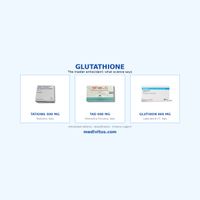
Tationil 600 mg (Teofarma, Italy), TAD 600 mg and Gluthion 600 mg are original injectable glutathione preparations from European manufacturers.
The skin lightening question - honest answer
Glutathione IV is heavily marketed online as a skin lightening "drip". Here is what regulators and dermatology societies actually say:
No published clinical trials demonstrate skin lightening efficacy from glutathione injections;
US FDA, Philippine FDA and dermatology societies warn against this off-label use;
Reported adverse reactions range from rashes to serious skin and kidney complications, especially when administered outside medical settings;
The approved use of injectable glutathione is as supportive therapy in certain chemotherapy protocols.
We mention this not to scare, but to be precise: antioxidant and detoxifying roles of glutathione are science; skin lightening claims are marketing. Anyone considering glutathione injections should do so under medical supervision and with realistic expectations.
Glutathione vs NAD+ vs other longevity molecules
2026 wellness conversations juggle several "cellular energy" molecules. Quick orientation:
Glutathione
- antioxidant defense and detoxification;
NAD+
- cellular energy transfer and DNA repair (a coenzyme, not an antioxidant);
Coenzyme Q10
- mitochondrial electron transport support;
Alpha-lipoic acid
- both water and fat soluble antioxidant.
They are complementary, not interchangeable - each covers a different stage of cellular metabolism.
FAQ
Can glutathione be taken orally?
Plain oral glutathione faces digestive breakdown; liposomal forms and precursors (NAC, glycine) show better absorption evidence. Injectable glutathione bypasses digestion entirely.
Why do people take glutathione IV?
In clinical settings - for detoxification support and as adjunct therapy in certain treatments. In wellness practice - for antioxidant support. The IV route delivers complete bioavailability.
Is glutathione safe?
Under medical supervision - yes, it has decades of clinical use (oncology, toxicology). Self-administered IV use outside medical settings carries infection and dosing risks - this is a prescription route.
Does it really lighten skin?
No clinical evidence supports this claim; regulators explicitly warn against it. Any "whitening" effect reported by users is anecdotal and temporary at best.
What about glutathione for liver health?
The liver is the primary glutathione reservoir - detoxification is its documented role. Clinical liver protocols use glutathione under medical guidance; oral precursors support natural production.
Ask a question or inquire about delivery to your country: