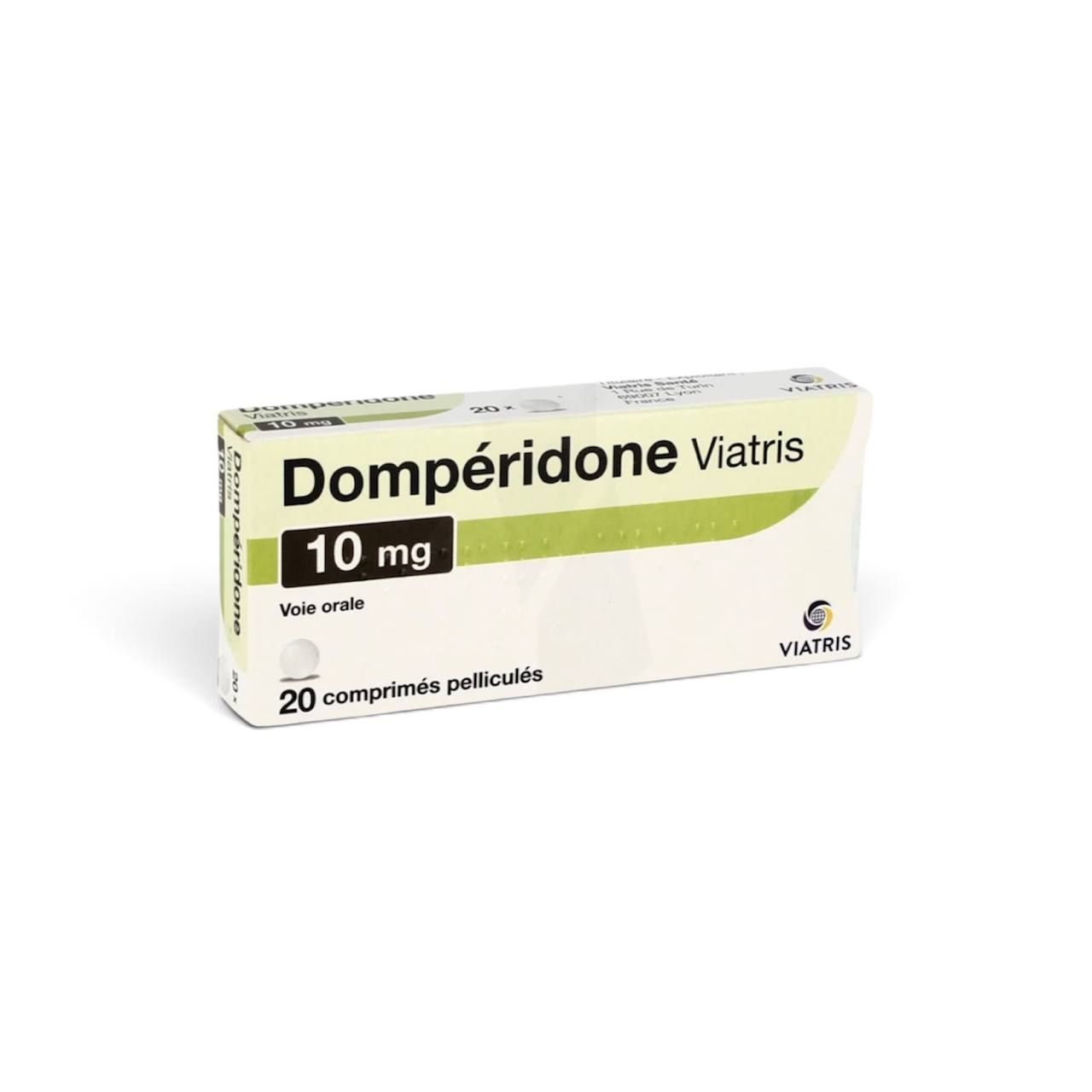
Domperidone 10 mg (Viatris)
42,00 €
Dopamine D2 receptor antagonist
In stock
Customer reviews
Reviews only from verified customers
No reviews yet. You can buy this product and be the first to leave a review.
Domperidone 10 mg (Viatris)
Product Details
Domperidone Viatris 10 mg - Prokinetic Tablets
Active ingredient: Domperidone 10 mg
Dosage form: Film-coated tablets
Pack size: 20 tablets
Route: Oral use
Manufacturer: Viatris
Product description
Domperidone is a dopamine D2-receptor antagonist with prokinetic and antiemetic action. It accelerates gastric emptying and increases lower esophageal sphincter tone - relieving bloating, early satiety, nausea and reflux-type discomfort. Importantly, it does not cross the blood-brain barrier in significant amounts, so it lacks the sedation and extrapyramidal risks of older antiemetics like metoclopramide.
Original European product by Viatris. Prescription status varies by country - in most European countries it is a pharmacy medicine; long-term use requires medical supervision.
Indications
- functional dyspepsia: bloating, early satiety, epigastric discomfort;
- nausea and vomiting of various origins (as prescribed);
- gastroparesis-type motility disorders - under physician supervision;
- per physician prescription in pediatric protocols (per approved age/weight).
Dosage and administration
Standard adult dosing: 10 mg up to three times daily, taken 15-30 minutes before meals. Maximum duration without medical supervision is typically short (per approved protocols); prolonged courses require physician oversight. Tablets are swallowed whole with water, before food for the prokinetic effect.
Contraindications
- hypersensitivity to domperidone or any excipient;
- prolactinoma;
- concurrent QT-prolonging medicines or cardiac conduction disorders (cardiac monitoring is recommended for higher-risk patients);
- severe liver impairment;
- pregnancy and breastfeeding - only per physician decision.
Safety notes
Domperidone has a well-characterized cardiac safety profile at standard doses, but QT prolongation is possible at high doses or with interacting medicines (certain antibiotics, antifungals). Physicians assess cardiac risk before long-term courses. Common side effects: dry mouth, headache, abdominal cramps - usually mild.
Storage conditions
Store at a temperature not exceeding 25 °C, in the original package. Keep out of reach of children.
FAQ
What is the difference between Domperidone and Motilium?
Motilium is the original Janssen brand; Domperidone Viatris contains the same molecule at the same 10 mg strength. The Viatris version is the European generic with equivalent bioavailability.
Why is domperidone considered safer than metoclopramide?
Domperidone barely crosses the blood-brain barrier, so it does not cause the sedation and movement disorders (extrapyramidal symptoms) typical of metoclopramide. Its main safety focus is cardiac - at standard doses the risk is low.
How should I take it - before or after meals?
Before meals (15-30 min): this timing maximizes the prokinetic effect on gastric emptying.
Can I take it long-term?
Long-term courses require physician supervision with cardiac risk assessment. Short courses (up to 1-2 weeks per protocol) are standard for functional dyspepsia.
Who should not use it?
Patients with prolactinoma, cardiac conduction disorders, those taking QT-prolonging medicines, severe liver impairment, pregnant/breastfeeding women (per physician decision).
Ask a question or inquire about delivery to your country
You May Also Like
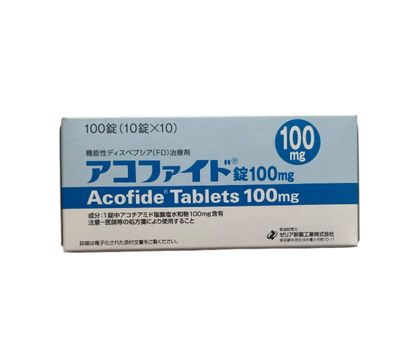
Acofide (Acotiamide) 100 mg
Acofide (Acotiamide) 100 mg
A drug for the treatment of gastrointestinal tract
67,00 €
Pariet (Rabeprazole) 10mg/20mg
Pariet (Rabeprazole) 10mg/20mg
Treatment of gastrointestinal diseases
53,00 €
Display prices in:EUR

