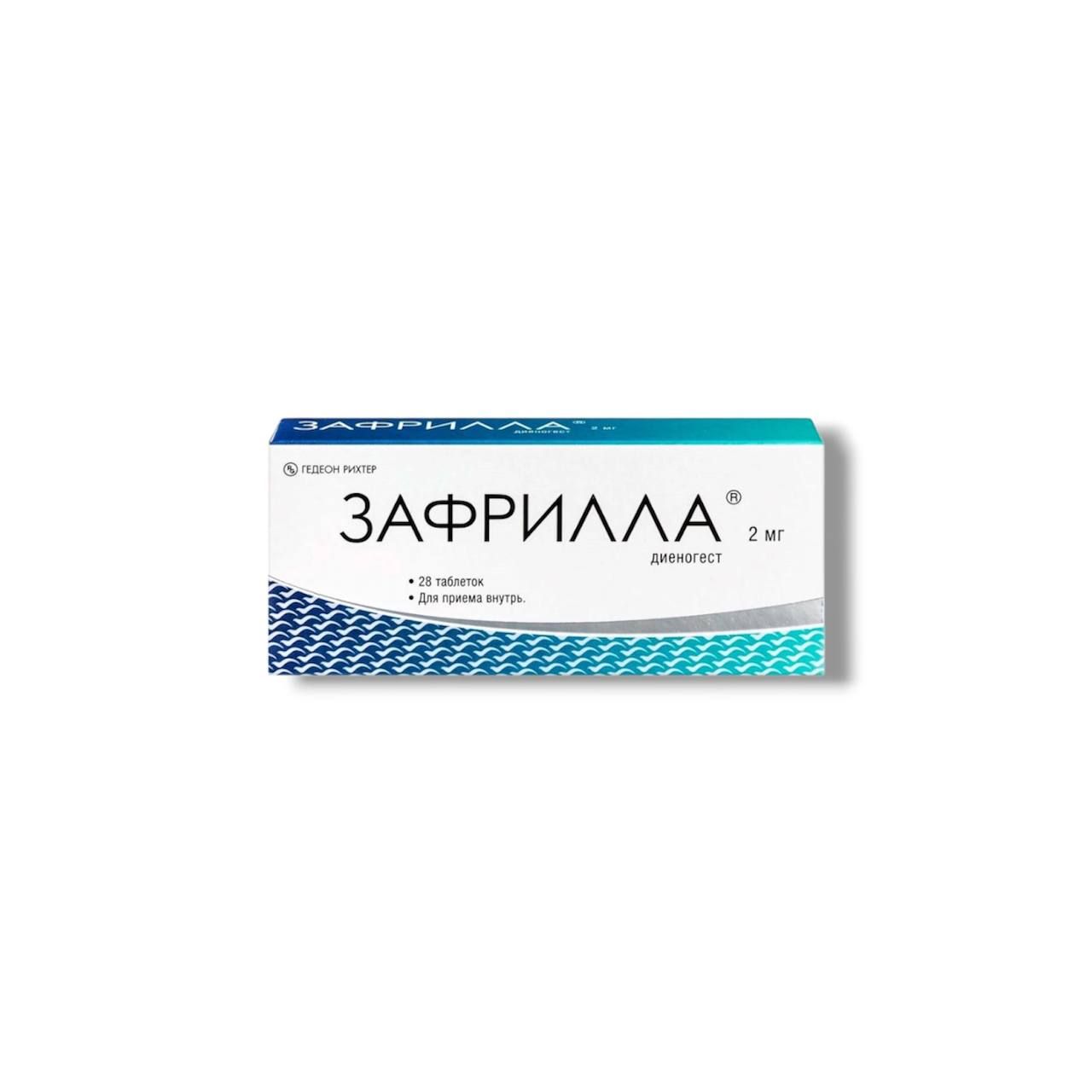
Zafrilla 2 mg (Dienogest) 28 tablets
63,00 €
Endometriosis treatment
In stock
Save this product for later
Customer reviews
Reviews only from verified customers
No reviews yet. You can buy this product and be the first to leave a review.
Zafrilla 2 mg (Dienogest) 28 tablets
Product Details
Zafrilla 2 mg (Dienogest) — Product Description
Zafrilla is a Gedeon Richter preparation containing dienogest 2 mg — a progestin with selective endometrial activity. The product is supplied as film-coated tablets for continuous oral therapy and is used in gynecological practice for endometriosis management under medical supervision. It is the same molecule and dosing as Visanne (Bayer) — Zaffrilla is the Gedeon Richter equivalent.
Composition
- Active ingredient: Dienogest 2 mg per tablet
- Excipients: standard tablet base (lactose, starch, magnesium stearate)
- Manufacturer: Gedeon Richter
How dienogest works in endometriosis
Endometriosis is tissue similar to the uterine lining growing outside the uterus — it responds to hormonal cycles and causes pain, adhesions and lesions. Dienogest suppresses the hormonal stimulation of these lesions: it reduces their activity, minimizes cyclic growth and gradually shrinks endometriotic foci.
The key clinical advantage: dienogest provides therapeutic effect without the hypoestrogenic burden typical of GnRH agonists — bone density is preserved, which matters for long-term therapy in premenopausal women.
Indications
Zafrilla is prescribed by gynecologists for:
- treatment of endometriosis (with or without surgical history);
- management of endometriosis-associated pain (pelvic pain, dysmenorrhea, dyspareunia);
- long-term maintenance therapy after surgical treatment.
The medication is prescription-only and used under gynecologist supervision with periodic review.
Administration
- Standard dose: 1 tablet (2 mg) daily — continuously, without breaks between packs;
- Can be started on any day of the cycle (if not pregnant);
- Take at the same time each day, with a little water;
- Missed tablet: take as soon as remembered if within 12 hours, otherwise skip (do not double);
- Long-term therapy: duration is determined by the gynecologist (often 6+ months, reviewed periodically);
- Breakthrough spotting in early months is common and typically decreases over time.
Product features
- Same molecule and dose as Visanne (Bayer) — Gedeon Richter equivalent;
- Continuous once-daily regimen, no 21+7 cycle;
- Bone-density-sparing profile vs GnRH agonists;
- Documented pain reduction in endometriosis trials;
- Suitable for long-term therapy under medical supervision.
Possible side effects
The most commonly reported adverse reactions:
- irregular spotting/bleeding (most common, decreases with time);
- headache, breast discomfort;
- mood changes, decreased libido;
- acne (rare).
Most effects are manageable and dose-adaptation or supportive measures are decided by the gynecologist. Medical attention should be sought if bleeding is heavy or side effects persist.
Contraindications
- Pregnancy and breastfeeding;
- Active venous thromboembolism or history of thrombotic events;
- Severe liver disease (active or history);
- Undiagnosed genital bleeding;
- Hypersensitivity to dienogest or any component.
Patients with depression history, hypertension, diabetes or other chronic conditions should inform their physician before starting therapy.
FAQ — Frequently Asked Questions
Is Zafrilla the same as Visanne?
Yes — the same active molecule (dienogest 2 mg) and the same continuous dosing. Visanne is the Bayer original; Zafrilla is the Gedeon Richter equivalent from the same European manufacturer group. Choice between them is often about availability and price.
Do I take breaks between packs?
No — unlike regular birth control pills, dienogest therapy is continuous: finish one pack, start the next the next day. This is the key difference from cyclic regimens.
When will the pain improve?
Pain reduction typically begins within the first 1–2 months; substantial improvement of endometriosis lesions is documented in trials by 3–6 months. Early spotting may occur before benefit stabilizes.
Can I get pregnant on dienogest?
Dienogest suppresses ovulation in most users, but it is not a contraceptive — additional barrier contraception is recommended. After discontinuation, fertility typically recovers quickly.
Is medical consultation necessary?
Yes. Zafrilla is a prescription medication. Regular gynecological review during therapy (including bone health in long-term use) is standard practice.
Ask a question or inquire about delivery to your country
You May Also Like
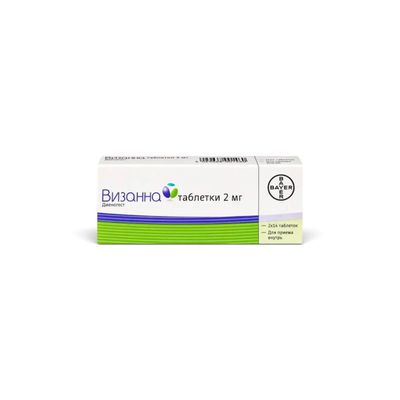
Visanne 2 mg (Dienogest) 28 tablets
Visanne 2 mg (Dienogest) 28 tablets
Endometriosis treatment
75,00 €

Progynon Depot 10 mg 10 ampoules
Progynon Depot 10 mg 10 ampoules
Hormonal imbalance, menopause
81,00 €


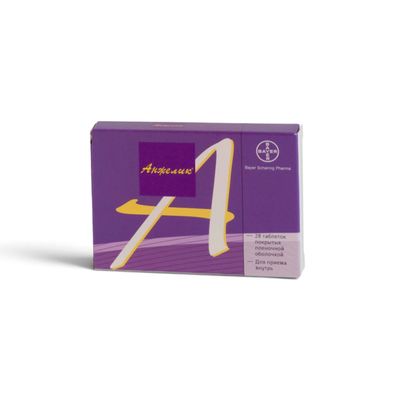
Angeliq (Estradiol 1 mg + Drospirenone 2 mg)
Angeliq (Estradiol 1 mg + Drospirenone 2 mg)
Hormone replacement therapy
60,00 €

Display prices in:EUR

